
5 Secret Sources of Down Payment Money
Judith Bundschuh August 13, 2026
Judith Bundschuh August 13, 2026
Whether you are planning to put down a full 20 percent or pulling together the cash for a 3.5 percent down payment for an FHA loan, your down payment might be the biggest single cash expenditure you ever make. Some scrimp and save for years, while others can ready the cash with less difficulty, but no buyer in the history of home buying has ever said they have too much down payment money.
Here's an insider secret: many buyers have a treasure trove of down payment resources at their disposal, hidden in plain sight. Here's a map to this hidden treasure – a handful of frequently overlooked sources of down payment funds.
Home buying is one of those push-meet-shove-type situations. If you're serious about coming up with your down payment funds, sit down and backtrack over your monthly budget or your last month's checking account statements. Isolate your top 10 budgetary line items and do an internal gut check on whether there is anything on this list that you can slash or eliminate.
If you spend $5 a workday on a bagel and coffee at breakfast and another $15 on your takeout lunch, that's $400 per month – almost $5000 a year! – you can save by simply bringing these things from home (not to mention the health and other benefits you'll gain). And those numbers are not inflated if you work in a big city. Nor is the $100/month cable bill, the $20 yoga class, the $2,000 vacation, or the premium pricing you might be paying for cell service.
Redirecting the dollars you would normally spend for some of these big-ticket items back into your down payment savings account is like pressing fast forward on your home buying timeline.
When you need to save money, there are really only two levers you can pull: you can spend less, or you can make more. Selling stuff you already own and don't actually use is a relatively painless way to make more money to go toward your down payment. If you're really serious about home buying, put everything on the table.
Things buyers-to-be often sell (usually online) include:
Don't underestimate the amount of cash you can bring in from the things you already own.
One way to make more money is to sell off the stuff you have lying around; the other is to get to work! Spend your off-time, your evenings and weekends leveraging your professional skills or personal hobbies to bring in some extra cash.
Once you get serious about coming up with your down payment cash and decide to be creative about where to find that money, using your skills and your time creatively is a power-packed way to open the financial floodgates.
Consider starting out with a simple email to your circle of acquaintances outlining your skills and what kind of work you'd like to pick up. You can also list your potential services on a site like TaskRabbit. If you are crafty, you might let your new felting hobby stock the virtual shelves of your shop on Etsy. Even if you aren't "creative," think creatively about what you might do to earn a little extra cash. One acquaintance of mine has earned thousands of dollars dog-sitting while she works at home. You'll be surprised by how much you can earn hawking wares on the side or with small business projects, like research, bookkeeping or office organizing projects.
Many home buyers get by with a little help from their friends (and relatives). Most mortgage programs will allow for some portion of your down payment to come in the form of 'gift money,' which is exactly what it sounds like: money someone gives you to help you buy a home.
The best-case scenario is to have some idea of what sort of gift money you can count on as far in advance as possible, as it will impact your own savings targets and your lender's documentation requirements. If you have a parent, sibling, or auntie who has mentioned their interest in giving you this sort of gift, it is important to bring the subject up, express your gratitude, and let them know that you're planning to buy soon. You'll want to have a detailed conversation about logistics and go over everything from timelines to tax obligations.
Check in with your mortgage pro about how much of your down payment needs you can satisfy with gift money – guidelines vary widely based on how much of your own cash you have to put down and what loan programs you're applying for. Lenders almost always require that gift money be contributed along with a gift letter that states that the giver is a relative and that the money is a gift, not a loan. The lender may also require you to see a bank account statement from the giver showing that the money was theirs to give – just to be sure they didn't go out and get some sort of loan that they expect you to help them repay.
Some retirement accounts allow you to borrow against or pull out funds, penalty-free, to apply them toward your down payment on a home. Obviously, your specific circumstances will determine if it is advisable for you to tap into your 401K or IRA and plug that cash into a house. For some buyers, it may make sense to get your down payment up to 20% by borrowing a few thousand dollars from yourself!
If getting your down payment to the 20 percent mark by borrowing from your 401K gets your mortgage interest rate down and allows you to repay that cash to your own retirement account (vs. to your mortgage lender) with interest, you and your financial advisor might agree that this move is the right move for you. Or not – this is a highly personal decision that must be made strategically, but some homebuyers should at least explore whether their retirement accounts are a sensible source of some portion of their down payment funds.
Stay up to date on the latest real estate trends.

Discover 8 simple, stress-free tips for hosting the ultimate backyard BBQ this summer, from menu planning to setting the perfect mood.

Discover what your home decor style reveals about your personality and how it impacts your living space and potential home sale.

Discover why the second quarter is statistically the optimal time to sell your home in Austin, backed by real estate market data.

Discover how professional home staging can transform your property, attract more buyers, and help you secure a faster, higher-priced sale.
Discover five often-overlooked strategies to help you secure the funds needed for your home down payment.

Learn why protesting your property tax valuation annually is essential and discover the steps to potentially save thousands on your property taxes.
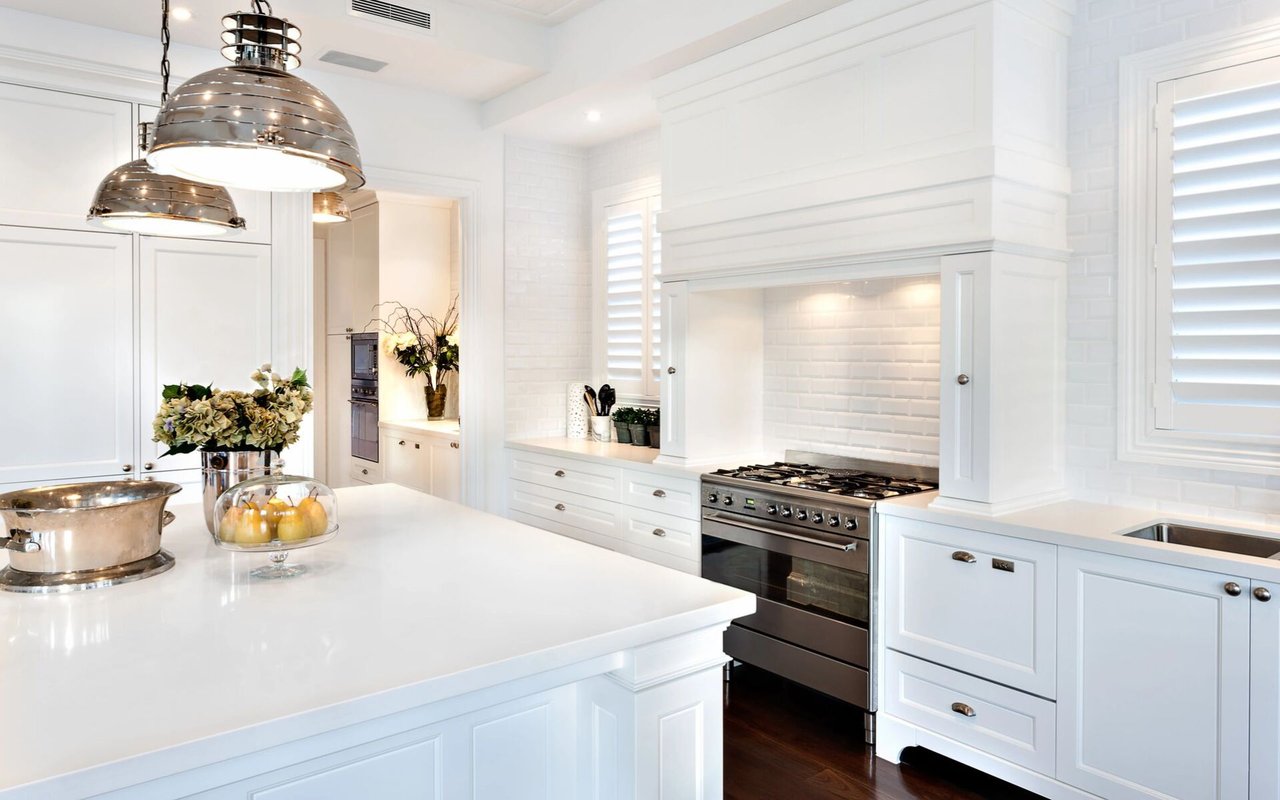
Discover five proven strategies to help your home stand out, attract more buyers, and secure multiple competitive offers in today's market.

I frequently advise my clients with home improvement projects even if they don’t plan to sell their home in the near term.
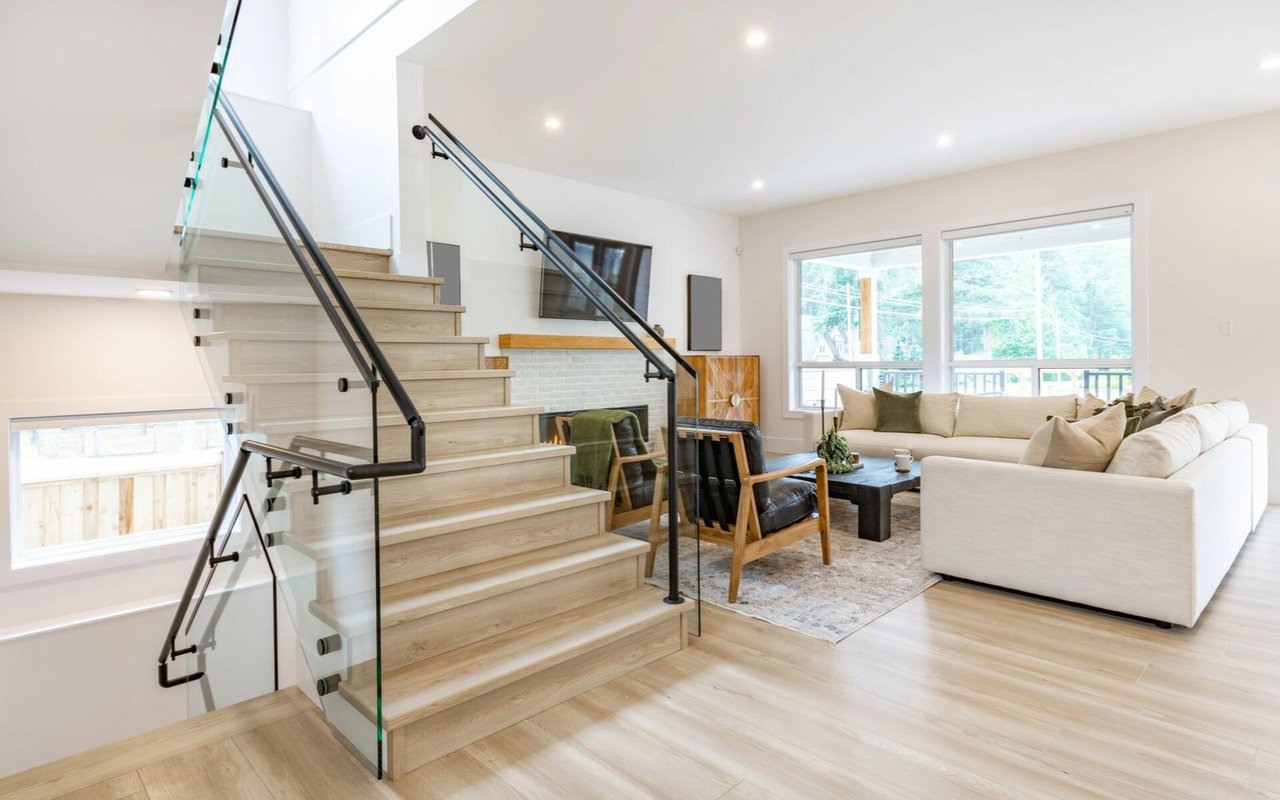
A free tool to help you maintain your home, save money, and build wealth with expert guidance from Judith Bundschuh.
Whether you are a first-time buyer, a seasoned investor, or somewhere in between, I bring the Texas market knowledge and personal attention that make all the difference.

1250 S Capital of Texas Hwy Bldg 3 Ste 400 Austin TX 78746